

Peptide
GHK Cu Peptide: Benefits, Uses, and What to Know Before Buying
Jul
Introduction
If you are researching GHK Cu peptide, you are probably trying to understand what it does, why it is so popular, and whether it has real benefits beyond marketing. GHK-Cu is a naturally occurring peptide found in human serum, and research has linked it to tissue repair, collagen support, anti-inflammatory activity, and hair-related applications.
That matters because peptide searches often mix science, skincare, and commercial product listings. If you are comparing GHK Cu peptide with related names such as klow peptide, glow peptide, or KPV peptide, the safest approach is to focus on the actual use case, the available evidence, and the product details rather than the keyword alone.
Overview and background
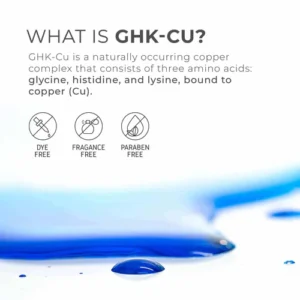
GHK stands for glycyl-L-histidyl-L-lysine, a short peptide that binds copper and forms the biologically active copper complex GHK-Cu. It was originally discovered in human plasma and later studied for its ability to influence tissue remodeling, inflammation, and healing pathways.
Interest in GHK-Cu has grown because it appears to affect several biological systems at once. Research summaries describe effects on collagen and elastin production, wound repair, antioxidant defense, and gene expression linked to regeneration. That broad profile is what makes it stand out in a crowded peptide market.
Why GHK Cu peptide stands out
GHK Cu peptide stands out because it is both biologically relevant and unusually versatile in research settings.
-
It is a naturally occurring peptide in the human body.
-
It binds copper, which appears to be important for its regenerative activity.
-
It has been studied for skin rejuvenation, wound healing, and hair support.
-
It may influence thousands of genes related to tissue repair and inflammation.
-
It has more visible research support than many newer cosmetic peptides.
Versions and variations
GHK-Cu may appear in several product formats depending on the seller or intended use. These usually reflect presentation rather than different biological identities.
Common variations include:
-
Topical cosmetic formulations.
-
Serum or cream-based products.
-
Injectable or reconstituted research products.
-
Microneedling-oriented formats.
-
Combination products paired with other peptides.
Some buyers compare GHK-Cu with other peptide terms such as klow peptide, glow peptide, and KPV peptide, but these are not the same compound and should not be treated as interchangeable.
Feature comparison table
Key features and benefits
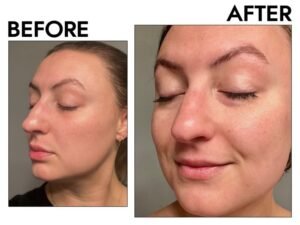
The most talked-about benefit of GHK-Cu is its regenerative effect on skin. Research summaries describe collagen support, improved skin remodeling, and a visible role in reducing signs of aging. Some summaries also note improved skin elasticity and wrinkle reduction in controlled studies.
A second major feature is wound-healing support. GHK-Cu has been linked to faster healing, improved tissue repair, and support for fibroblast activity and endothelial response. A third major feature is hair-related interest, where the peptide is often discussed for possible support in hair density and scalp health.
Use cases and applications
GHK-Cu is mainly used or researched for cosmetic and regenerative purposes. Most users are interested in skin appearance, wound recovery, or hair support, though the peptide’s research profile extends further than that.
Typical use cases include:
-
Skin rejuvenation.
-
Fine-line and texture support.
-
Wound-healing research.
-
Hair and scalp applications.
-
Anti-inflammatory and antioxidant research.
In broader peptide discussions, GHK-Cu is often compared with other names such as KPV peptide because both are discussed in healing and inflammation contexts, though their mechanisms differ.
How to choose the right option
If you are evaluating GHK Cu peptide products, focus on clarity and documentation first. A good listing should explain what form it is, how it is meant to be used, and whether any testing information is available.
Consider the following:
-
Is it topical or research-grade?
-
Does the seller provide concentration and batch details?
-
Is the intended use clearly stated?
-
Are there any purity or testing claims?
-
Is the listing easy to compare with other options?
-
Does the seller explain storage and handling clearly?
If you are comparing GHK-Cu with related peptide searches like klow peptide or glow peptide, remember that similar marketing language does not mean the products are the same.
Practical buying tips
Before buying any peptide product, it helps to review the listing carefully rather than relying on the keyword alone.
-
Read the full product description.
-
Look for concentration, format, and batch details.
-
Check whether the product is topical, injectable, or research-only.
-
Compare product photos with the written specs.
-
Avoid listings that are vague or inconsistent.
-
Compare several sources before choosing one.
If you are doing background research, broader references like Google, Bing, and Wikipedia can help with general terminology and context.
For market comparison, many users also look at peptide-related sites such as retatrutideforsale.online, kmgimport.com, buds-goods.com, buymounjaronline.com, budsexpressnow.com, wholemetextract.com, alluviuk.online, geekbarsus.com, geekbarsusa.com, and tcgplayerzone.com, but any listing should still be judged on product details, not link presence.
Pros and cons
Pros
-
Strong research interest and real biological relevance.
-
Good fit for skin, hair, and wound-healing discussions.
-
Naturally occurring peptide with copper-binding activity.
-
Compared with many peptides, it has a more established cosmetic research base.
Cons
-
Many claims come from mixed evidence levels, not all from large human trials
-
Product quality can vary across sellers.
-
Topical and research formats are not interchangeable.
-
It may be over-marketed in some commercial listings.
Common issues and troubleshooting
A common issue is overestimating what GHK-Cu can do. Some pages make it sound like a miracle peptide, but the better interpretation is that it is a research-backed regenerative compound with promising, not universal, results.
Another issue is format confusion. Topical skincare products, microneedling products, and research-grade peptide listings are very different, so buyers need to check the intended use carefully. A third issue is comparing unrelated peptides just because they appear in the same search results; KPV peptide and GHK Cu peptide overlap in some wellness conversations, but their primary research areas are not the same.
Where to buy or get started
If you want to browse GHK Cu peptide options, visit GHK Cu peptide to review available product details and compare listings in one place. That gives you a practical starting point for evaluating format, documentation, and intended use.
If you are comparing GHK-Cu with terms like glow peptide, klow peptide, or KPV peptide, use the same checklist for each product: clarity, documentation, and transparency. That approach makes it easier to choose an option that fits your research or purchasing goals.
FAQ
What is GHK Cu peptide?
GHK-Cu is a copper-binding tripeptide made of glycine, histidine, and lysine that is studied for regenerative and anti-aging-related effects.
What does GHK Cu peptide do?
It is mainly studied for collagen support, tissue repair, skin rejuvenation, hair support, and anti-inflammatory activity.
Is GHK-Cu the same as KPV peptide?
No. They are different peptides with different structures and research focuses.
How does GHK-Cu compare with klow peptide or glow peptide?
Those are different search terms and may refer to different branded or market-style listings, so the actual product details should be compared directly.
Is GHK Cu peptide used for skin care?
Yes. It is widely discussed in topical skincare and cosmetic research because of its skin-repair and collagen-related benefits.
Does GHK Cu have side effects?
The main concern is that evidence varies by format and use case, so buyers should pay attention to product type and source quality.
Where can I learn more?
Start with research summaries and clear product listings that explain the peptide’s format, intended use, and documentation.
